June 6, 2025
Why Safe Scaffolding Matters on Every Construction Site
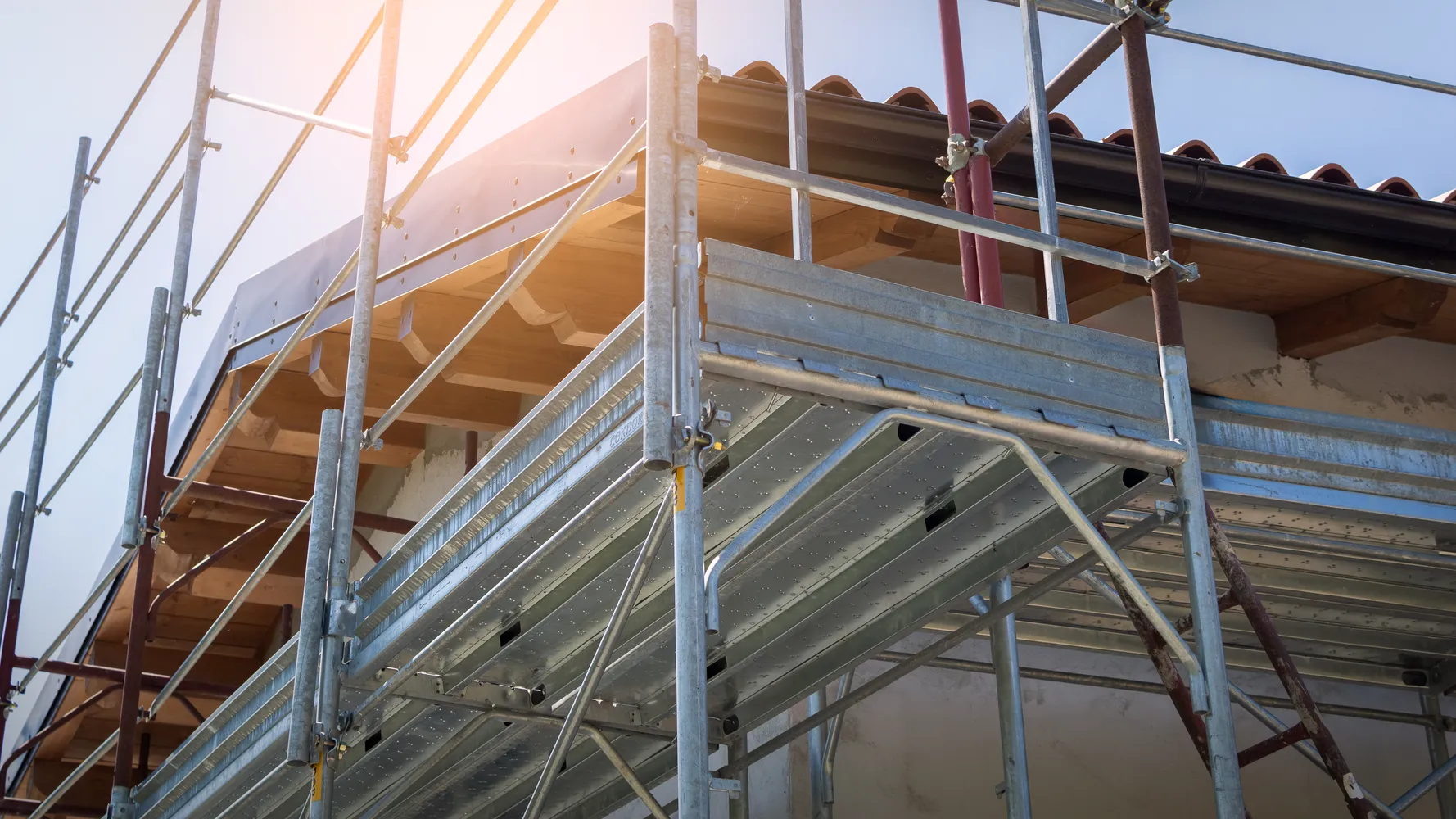
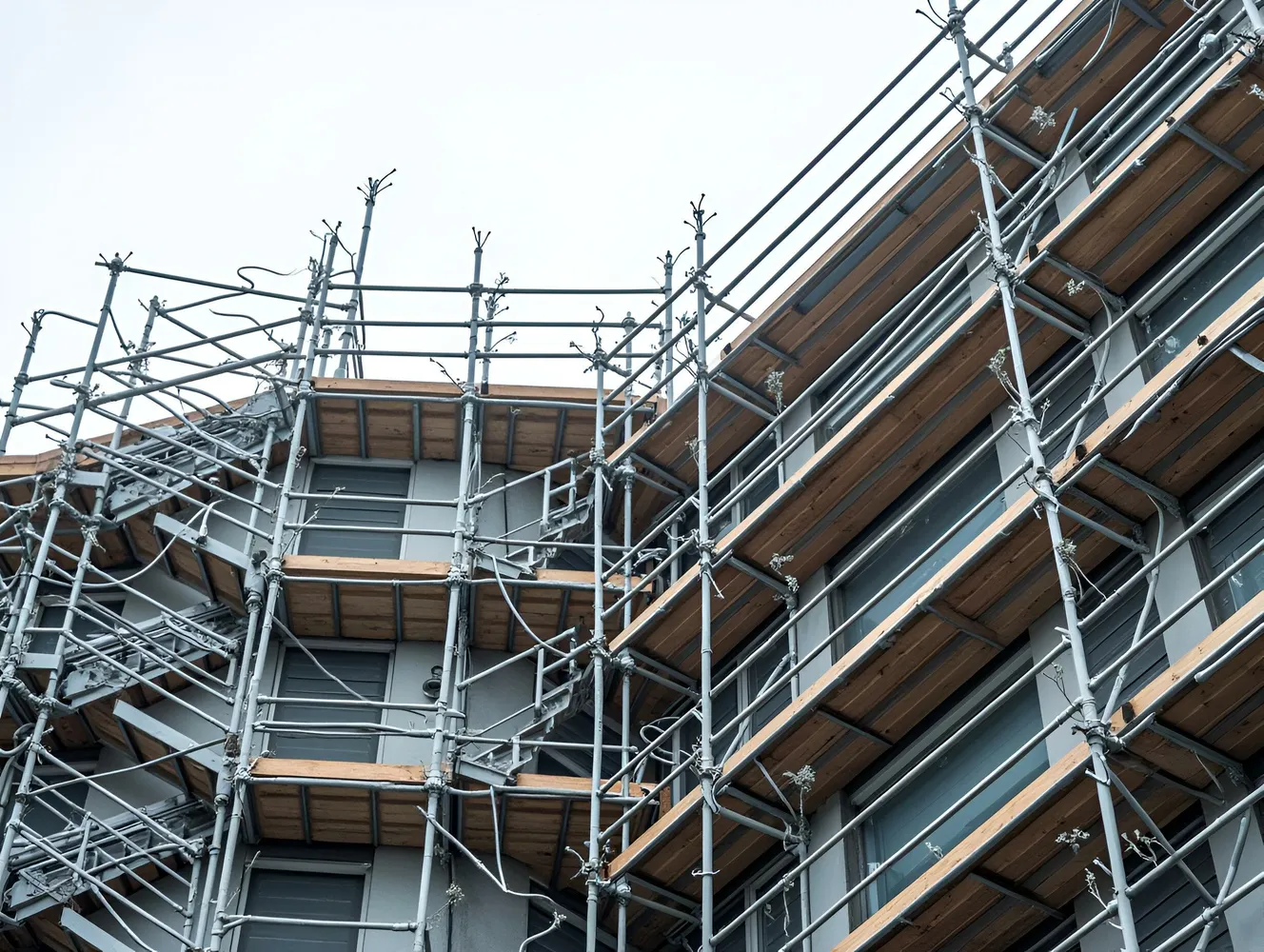
When it comes to construction, safety is never optional. Whether you’re working on a residential renovation or a high-rise commercial building, scaffolding is the backbone of any elevated task. Proper scaffolding ensures not only the success of the project but also the safety and well-being of the entire crew.
Why is scaffolding so important?
Scaffolding provides a stable and secure working platform, giving workers access to hard-to-reach areas. Without it, tasks like painting, masonry, or window installation would be incredibly risky and inefficient. A well-installed scaffold allows workers to move freely and safely at various heights, which increases productivity and reduces the risk of accidents.
Types of scaffolding
There are many types of scaffolding systems—frame, tube and coupler, system scaffolding, suspended scaffolding, and more. The type you choose depends on the specific job site, the height of the project, and the kind of work being done. An experienced scaffolding contractor will evaluate these factors and recommend the safest and most cost-effective option.
Common safety features
-
Guardrails and toe boards
-
Stable base plates and sole boards
-
Proper bracing and secure connections
-
Regular inspections
Your responsibility
If you’re a contractor or project manager, working with a certified scaffolding company is essential. Always demand proper installation, thorough inspections, and compliance with local safety codes. Don’t take shortcuts—investing in proper scaffolding could save lives.